Why Is My Car Heater Not Working?
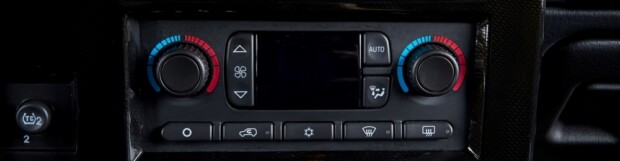
 It’s finally happening! The weather in Midland, MI is finally starting to cool down. The evenings are even getting downright chilly. So you can imagine my disappointment and dismay when I turned on my car heater this morning to warm up, and it didn’t work. That was definitely not how I wanted to start my day. If your car heater or defroster stops working, check the easy stuff first, like low coolant or a blown fuse for the blower motor. For anything else more complicated, you may need professional assistance.
How Does My Car Heater Work?
Your car heater provides driver comfort and safety, especially during colder weather. The heating system also helps defog and defrost windows. Fans draw air through the intake vents. It flows through ducts and over the heater core, which contains hot coolant from the engine’s radiator. As air passes over the heater core, it warms up and blows back into the car’s interior through the vents.
Common Car Heater Problems & Causes
Since your car heater utilizes components from both the engine cooling system and the climate control system, it can be challenging to determine why it doesn’t work. Let’s review a few common problems and the possible causes. If your car heater is not working, schedule a diagnostic service appointment with your local auto repair shop.
Blows Cold Air = Faulty Thermostat
The thermostat helps keep your engine temperature operating at optimum levels and directly affects the car heater (and air conditioning). A faulty thermostat may cause the temperature gauge reading on the dashboard to remain low, so the air flowing from the vents will be cold.
Control Valve
A heater control valve directs the flow of coolant. When you use your A/C, this valve prevents hot coolant from flowing through the heater core, keeping the air cool. If this valve gets stuck, the heater will blow cold air even if you set the dial to the ‘red’ or ‘heat’ position.
Fogged Windows = Leaking or Clogged Heater Core
The heater core is a key component in your car’s climate control or HVAC system. It works much like a tiny version of your car’s radiator. You can often locate it inside the cabin behind your dashboard. It transfers heat generated by the engine into the air blowing through the vents inside your car. If it becomes clogged, the restricted flow of coolant will reduce the effectiveness of your car heater. You may notice cooler air flowing from the vents and maybe even fogged windows. A sweet smell inside your car can indicate that the heater core is leaking coolant. Look for spots of antifreeze under the floor mats.
No Airflow = Broken Blower Motor
The blower motor works like a fan, moving air through the HVAC vents into the car’s interior. A broken blower motor results in restricted airflow – hot or cold – from your car’s vents, no matter how high you set the fan speed dial. In some cases, a blown fuse may cause the blower motor to fail; in other instances, the motor itself may require replacement.
Only Some Vents Work = Bad Blend Door Actuator
Blend doors control the airflow and temperature inside your car. Actuators control these small flaps or doors. When one goes bad, you might hear clicking behind the dashboard or be unable to control the temperature. Another common sign of a bad blend door actuator is feeling heat exiting the vents only on one side of the car.
Takes Forever To Warm Up = Low Coolant
Depending on the outside temperature, your car should start blowing warm air within 10 – 15 minutes. If the air from the vents remains cool, the coolant level may be too low to circulate through the heater core. The heater core requires a steady flow of hot coolant to heat the interior of your vehicle. Low coolant levels can occur due to a cracked coolant reservoir or leaking components (ie, hoses, water pump, or head gasket). Coolant doesn’t evaporate, so be sure to check for leaks frequently. Low coolant can also cause your car’s engine to overheat, which is a whole other repair issue.
What About The Windshield Defroster?
A lot of people use the terms’ defroster’ and ‘defogger’ interchangeably. Did you know that defrosting and defogging are two different activities? Although they both help maintain visibility and enhance driver safety, they go about it a little differently.
Defroster
The defroster warms up the windshield and rear window to help remove exterior ice and frost buildup. This occurs by blowing warm air onto the window and/or using electronic heating elements within the glass. Your car’s climate control system (or HVAC) warms the front windshield to remove exterior frost while also dehumidifying the air in the cabin to remove interior fogginess. Your car battery supplies power to the electronic elements (usually found on the rear window) to melt frost and reduce fogging.
Defogging
Defogging helps remove interior humidity to reduce fog buildup that forms on the windows inside your car. Fog occurs when interior moisture builds up. You can experience window fog when it rains or there is a significant temperature difference between the inside and outside. If it takes a long time for your defroster to clear the windshield, make sure to set it to the ‘fresh air’ setting. The ‘recirculate’ setting keeps the humid air inside the cabin and will increase window fogging.
Common Defroster Problems & Causes
If your heater and defroster are malfunctioning, have your service technician look at the above causes. Chances are good that fixing them will also correct the defroster. However, let’s examine some additional causes that may cause problems with your defroster.
- Clogged vents: Sometimes, the defroster may be less efficient due to dirt, dust, and other debris clogging the dashboard vents, preventing adequate airflow. Be sure to keep decorative items away from the vents, especially those near the base of your windshield. Dashboard covers and decor items can block vents, so be sure to limit those types of items.
- Blown fuses: Refer to your owner’s manual for troubleshooting tips on the defroster. Replacing a blown fuse can often resolve the issue quickly.
- Broken electronic grid on back window: If the grid lines on your back window are worn away, chipped, or corroded, the defroster will not operate correctly.
Car Heater Repairs In Midland, MI
All A’s Automotive & Transmission Repair is a family-owned and operated business in Midland, MI. Our experienced technicians provide thorough car heater inspections, diagnostic recommendations, and repairs for foreign and domestic automobiles. We will determine if low coolant or a bad blower motor is causing issues with your defroster or heater.
Make An Appointment
Call us at (989) 631-4672 or visit our website to make an appointment. We look forward to seeing you!
Specials & Coupons
Check out our monthly specials!
Posted in: Auto Diagnostics
Leave a Comment (0) ↓