TPMS Warning Light: What It Means And How To Fix It
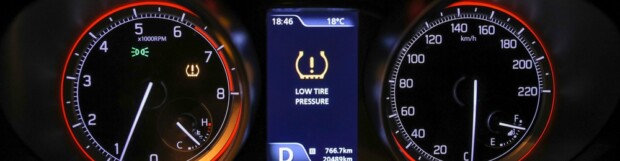
 A TPMS (short for Tire Pressure Monitoring System) sensor is a device in your vehicle’s tires that monitors the air pressure in the tires. The TPMS sensor alerts the driver when the tire pressure is too low. Driving your car with low tire pressure can trigger the safety system, illuminating the TPMS warning light on your dashboard. Keep reading for more info on how the TPMS works and how to spot and fix issues with the system.
What Is A Dashboard Warning Light
In general, a dashboard warning light is a safety system that helps your car communicate that something is wrong. Some dashboard symbols or warning lights are common for all vehicles, while others are unique to specific car brands. They usually light up briefly every time you start your vehicle. Once your car warms up, the lights turn off if all the systems check out okay. Occasionally, a warning light or two may stay on, indicating an issue requires service.
TPMS Safety System
According to a 2005 report from the National Highway Traffic Safety Administration, auto manufacturers must install a tire pressure monitoring system (TPMS) in all new passenger cars, multipurpose passenger vehicles, trucks, and buses with a gross vehicle weight rating of 10,000 lbs or less. The consensus of the TPMS safety system is to increase driver, passenger, and pedestrian safety while reducing accidental auto collisions due to incorrect tire pressure.
How Do TPMS Sensors Work?
TPMS sensors, typically installed inside the tire’s air valve stem, can be either mechanical or electronic. The mechanical TPMS sensors utilize a diaphragm and a spring to detect pressure changes. In contrast, the electronic sensors use a battery-powered device that transmits a signal to the vehicle’s onboard computer.
The sensor measures air pressure and temperature and transmits the information to the onboard computer safety system. The computer compares the real-time data to the vehicle’s factory-recommended tire pressure. If the pressure in one or more tires is too low, the computer will illuminate the TPMS warning light on the dashboard.
When the driver stops to inflate the tire, the sensor will automatically re-calibrate, and the warning light will turn off.
Cooler Autumn Weather
During the cooler temperatures of autumn, it is common for the TPMS warning light to illuminate on your dashboard, especially in the mornings when you drive to work. During the night, the air in your tires cools down. Science tells us that a change of ±10°F in air temperature changes tire pressure by approximately ±1 pound per square inch.
It’s also good to note that tires lose air over time, and tire damage (like a puncture) can cause a slow leak. If you suspect your tire pressure is low, bring your vehicle into your trusted service station for a tire inspection. They can check for damages, slow leaks, and top up the tire pressure.
Can TPMS Sensors Go Bad?
It’s essential to note that TPMS sensors can malfunction, become damaged, or experience a connection issue with the vehicle’s onboard computer. It’s always best to have the TPMS safety system inspected by a professional if you suspect a problem. The symptoms of a faulty TPMS sensor can include the following:
- Dashboard warning light: If a TPMS sensor is malfunctioning, the dashboard warning light may illuminate, indicating a problem with the tire pressure safety system.
- Incorrect tire pressure reading: If a TPMS sensor is malfunctioning, it may misinterpret the tire pressure, leading to incorrect information displayed on the dashboard.
- Inaccurate or no tire pressure reading: If the sensor is unable to transmit a signal to the vehicle’s onboard computer, the dashboard warning light may illuminate.
- Warning light doesn’t turn off: A faulty sensor may not turn off the dashboard warning light even after you inflate the tires to the correct pressure.
- Warning light turns on intermittently: If the sensor is faulty, it may give inconsistent readings, causing the warning light to turn on and off unpredictably.
Types Of TPMS Sensors
There are two main types of TPMS sensors: direct and indirect.
Direct TPMS sensors: They are installed inside the tire and directly measure tire pressure. They use a battery-powered transmitter to send a signal to the vehicle’s onboard computer, which displays the tire pressure information on the dashboard or instrument panel. Direct TPMS sensors can be either mechanical or electronic. Mechanical sensors utilize a mechanical link between the sensor and the valve stem, whereas electronic sensors employ wireless technology.
Indirect TPMS sensors: They monitor wheel speed and infer tire pressure based on changes in wheel rotation. They are located on the vehicle’s wheel hub or brake rotor, utilizing its ABS (Anti-lock Brake System) sensors to measure wheel speed. Indirect TPMS sensors are often less accurate than direct TPMS sensors and may not detect slow leaks.
Some auto manufacturers equip vehicles with a combination of both types of sensors. Some newer vehicles are equipped with TPMS sensors integrated into the tire pressure monitoring valves, eliminating the need for a separate sensor.
Low Tire Pressure Pitfalls
Driving around with low tire pressure can negatively affect your vehicle’s performance. You could experience issues with handling, steering, and even stopping. To maintain your vehicle’s tire safety system, avoid letting the air pressure get too low.
Braking Issues
Under-inflated tires can cause braking issues, such as increased stopping distance, which can be dangerous during emergencies. Your brakes may feel less effective than usual if the tire pressure is too low.
Increases Chance Of Blowouts
When air pressure gets too low, the tire’s sidewalls flex more, and heat builds up within the tire. If the overheating becomes severe, a section of the tire’s rubber tread can separate from the tire body. If this happens suddenly, a blowout can cause a loss of control, leading to a collision or accident.
Lowers Fuel Economy
Low tire pressure worsens fuel economy. That’s because an under-inflated tire resists rolling easily. It requires significantly more energy to move tires with low air pressure, so the engine must work harder, using more fuel. The EPA estimates that your car’s mileage may increase by up to 3% when your tire pressure is correct.
Reduces Handing
Low tire pressure negatively affects your car’s handling. When tires are under-inflated, the sidewalls flex more during cornering and braking, resulting in a less stable tread with reduced traction. Your steering response becomes slower and less responsive, and braking distances increase.
Shortens Tire Lifespan
Low tire pressure shortens a tire’s lifespan because under-inflated tires wear faster. You can observe this phenomenon by the hefty tread wear on both the inner and outer portions of a tire. This damage will shorten a tire’s life, leading to premature tire replacement.
Inspect Tire Pressure On All Tires
Reaching the correct tire pressure depends on your vehicle type and tires. It is essential to use the tire pressure indicated in your owner’s manual or door jam sticker (not the number on the tire) to ensure optimal performance and vehicle safety.
Tire Maintenance & Repairs
All A’s Auto & Transmission Repair proudly serves the Midland, MI area. If your vehicle’s illuminated TPMS warning light is causing you concern, we can determine the issue and get you back on the road quickly. TPMS sensors require periodic calibration and maintenance, and some sensors may also need new batteries to ensure the TPMS safety system functions correctly. Remember, TPMS sensors can become damaged or lose their accuracy over time. Additionally, if you replace or rotate the tires or wheels, have our service technician re-calibrate or replace faulty TPMS sensors so they function correctly.
Schedule TPMS & Tire Pressure Inspection
Give us a call at (989) 631-4672 or visit our website to schedule your next appointment for tire maintenance & repair needs.
Posted in: Tires & Wheels
Leave a Comment (0) ↓